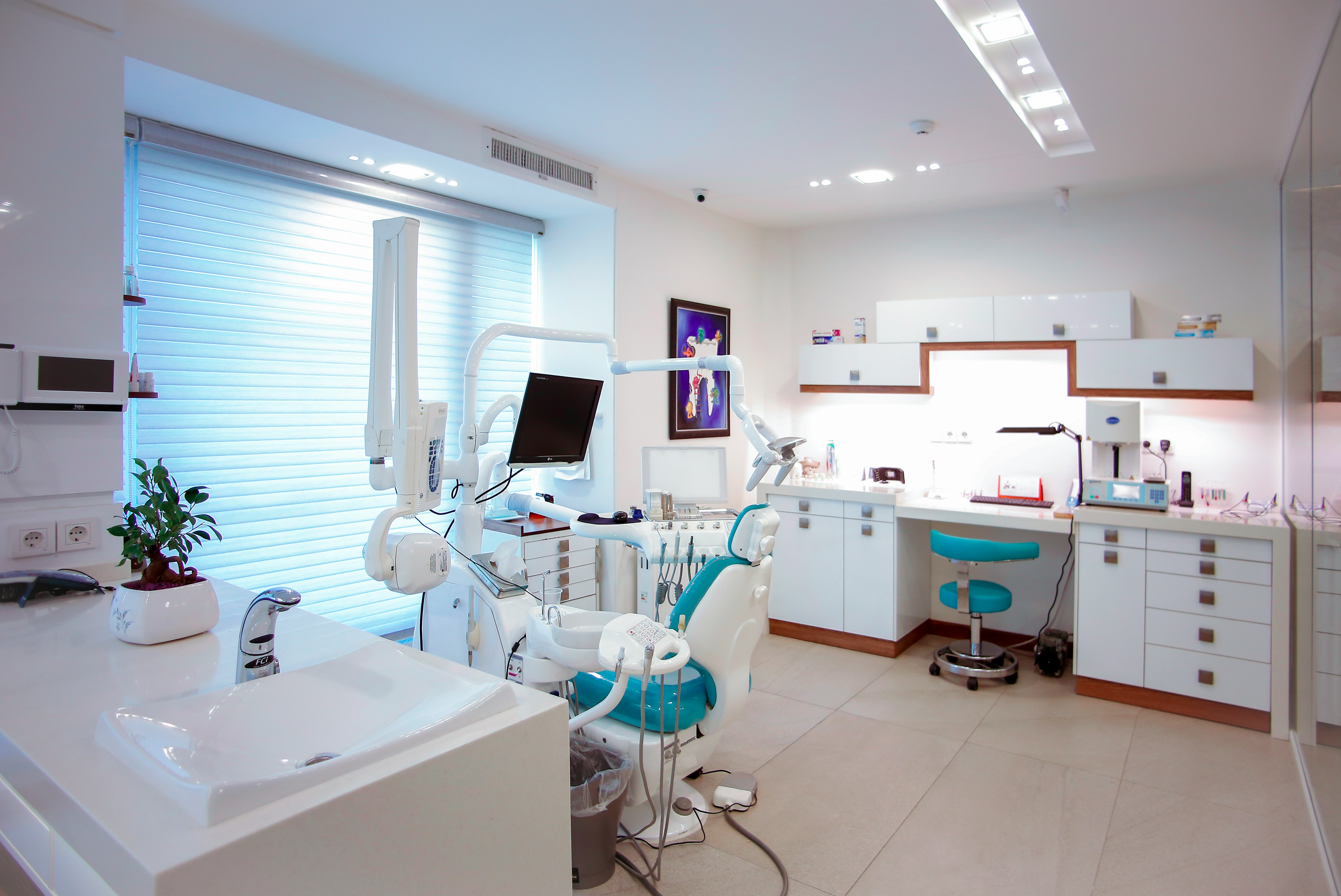

Finding the right dental job in the UK can feel overwhelming, whether you're a newly qualified dentist, an experienced dental nurse looking for a change, or an overseas professional hoping to build your career here. The good news is that the UK dental sector offers genuine opportunities for skilled professionals who know how to navigate the recruitment process effectively.
This guide walks you through everything you need to know about dental recruitment in the UK, from understanding the job market to making your application stand out.
Understanding the UK Dental Job Market
The UK dental sector operates across several distinct settings, each with its own character and opportunities. NHS practices form the backbone of dental care delivery, providing treatment to millions of patients under government-funded schemes. Private practices, meanwhile, offer a different working environment with typically higher earning potential and more flexibility in treatment planning.
Corporate dental groups have become increasingly prominent, operating multiple practices under unified management structures. These organisations often provide clear career progression pathways and comprehensive training programmes. Community dental services round out the landscape, focusing on patients with special needs or those who struggle to access mainstream dental care.
Demand for dental professionals remains strong across the UK, though opportunities vary by region. Urban areas generally see higher competition for positions, whilst rural and coastal communities often have greater vacancies to fill. Understanding these regional variations can help you target your job search more effectively.
How Dental Recruitment Works in the UK
Dental recruitment in the UK follows several pathways, and understanding each one helps you make informed decisions about your job search.
Direct Applications
Many practices advertise vacancies directly through their websites, professional journals, or job boards. This approach requires you to monitor multiple sources and handle all application processes yourself. Whilst it gives you complete control, it can be time-consuming and may limit your exposure to opportunities that aren't publicly advertised.
NHS Jobs Portal
For NHS positions, the official NHS Jobs website serves as the central recruitment platform. All NHS dental roles must be advertised here, making it an essential resource for anyone seeking work in the public sector. The application process is standardised, with supporting statements playing a crucial role in shortlisting decisions.
Specialist Dental Recruiters
Working with a recruitment agency that specialises in dental placements offers several advantages. Specialist recruiters maintain relationships with practices across the country and often know about positions before they're publicly advertised. They can match your skills and preferences with suitable opportunities, handle initial negotiations, and provide guidance throughout the application process.
GDC Registration Requirements
Before you can work in any dental role in the UK, you must be registered with the General Dental Council (GDC). This statutory requirement applies to dentists, dental nurses, dental hygienists, dental therapists, clinical dental technicians, dental technicians, and orthodontic therapists.
Registration Process for UK-Qualified Professionals
If you qualified in the UK from a GDC-approved programme, the registration process is relatively straightforward. You'll need to submit your application with proof of qualification, undergo identity verification, and pay the registration fee. The GDC typically processes applications within a few weeks.
Registration for Overseas Dental Professionals
International dental professionals face additional requirements depending on where they qualified. Those from the European Economic Area (EEA) may benefit from mutual recognition agreements, though arrangements have changed following Brexit. Professionals from outside the EEA generally need to pass the Overseas Registration Examination (ORE) or demonstrate equivalent qualifications through an approved assessment pathway.
The registration process for overseas dentists involves multiple stages, including examinations and potentially supervised practice periods. Planning ahead is essential, as the entire process can take considerable time.
Maintaining Your Registration
GDC registration isn't a one-time event. You must renew annually, complete continuing professional development (CPD) requirements, and maintain appropriate indemnity insurance. Failing to meet these obligations can result in removal from the register, preventing you from practising.
Types of Dental Roles Available
The UK dental sector encompasses a wide range of roles, each with distinct responsibilities and requirements.
Dentists
General dental practitioners diagnose and treat a broad spectrum of oral health conditions. Beyond general practice, dentists can specialise in areas such as orthodontics, periodontics, endodontics, oral surgery, paediatric dentistry, or restorative dentistry. Specialist training requires additional years of postgraduate study and examinations.
Dental Nurses
Dental nurses provide essential chairside support during treatments, prepare instruments and materials, maintain infection control standards, and often handle administrative duties. Since 2008, dental nurses must be GDC registered, requiring completion of an approved qualification.
Dental Hygienists
Hygienists focus on preventive dental care, providing treatments such as scaling, polishing, and application of fluoride and fissure sealants. They also play a vital role in patient education around oral health maintenance. Hygienists work under prescription from a dentist but have considerable autonomy in delivering their treatments.
Dental Therapists
Therapists combine the skills of hygienists with additional competencies, including the ability to carry out certain restorative procedures such as fillings on both adult and children's teeth. This expanded scope makes them valuable team members, particularly in practices with high patient volumes.
Practice Managers
Practice managers handle the business and administrative aspects of dental practices. Responsibilities typically include staff management, financial oversight, compliance monitoring, and ensuring smooth day-to-day operations. Whilst not a clinical role, practice managers need solid understanding of dental regulations and healthcare administration.
What Employers Look For in Candidates
Understanding what dental employers prioritise helps you position yourself as an attractive candidate.
Clinical Competence
Above all else, employers need confidence in your clinical abilities. For dentists, this means demonstrating proficiency across a range of treatments. For dental nurses and other team members, it means showing you can perform your duties safely and effectively. Evidence of ongoing professional development signals commitment to maintaining and improving your skills.
Communication Skills
Dental professionals spend their days interacting with patients, many of whom feel anxious about treatment. Strong communication skills—the ability to explain procedures clearly, provide reassurance, and build rapport—matter enormously. Employers also value team members who communicate effectively with colleagues.
Reliability and Professionalism
Dental practices run on tight schedules, and absence or lateness creates significant disruption. Employers look for candidates who demonstrate reliability, punctuality, and professional conduct. Your approach throughout the application process often serves as an indicator of how you'll behave in the role.
Cultural Fit
Every practice has its own culture and working style. Some are fast-paced and target-driven; others prioritise a relaxed, family-friendly atmosphere. Employers assess whether you'll integrate well with their existing team and align with their practice values.
Flexibility and Adaptability
The dental sector continues to evolve, with new technologies, treatment approaches, and regulatory requirements emerging regularly. Candidates who show willingness to learn, adapt, and embrace change tend to be more attractive to forward-thinking employers.
Tips for Standing Out in the Application Process
Competition for desirable positions can be fierce. These strategies help your application rise above the rest.
Tailor Every Application
Generic applications rarely succeed. Research each practice thoroughly—their services, patient demographics, values, and any recent developments. Then customise your CV and covering letter to demonstrate why you're specifically suited to that particular role.
Showcase Relevant Experience
Highlight experience directly relevant to the position. If applying to a practice with a strong cosmetic focus, emphasise any cosmetic dentistry experience. If the role involves paediatric patients, make sure any relevant work with children features prominently.
Provide Strong References
Choose referees who can speak knowledgeably about your clinical abilities and professional conduct. Let them know when you're applying for positions so they're prepared to respond promptly to reference requests.
Prepare Thoroughly for Interviews
Dental interviews often include clinical scenarios or competency-based questions. Prepare examples that demonstrate your skills, experience, and approach to challenging situations. Practise articulating your answers clearly and concisely.
Consider Working Interviews or Trials
Many practices offer working interviews or trial days. Approach these as opportunities to demonstrate your abilities in a real-world setting whilst also assessing whether the practice suits you.
Follow Up Professionally
After interviews, send a brief thank-you note expressing your continued interest. This simple courtesy distinguishes you from candidates who don't bother and keeps you fresh in the employer's mind.
Working with a Specialist Dental Recruiter
Partnering with a recruitment agency that specialises in dental placements can significantly enhance your job search. Here's what to expect and how to make the most of the relationship.
What Specialist Recruiters Offer
- Access to vacancies across NHS, private, and corporate settings
- Knowledge of opportunities not advertised publicly
- Guidance on CV presentation and interview preparation
- Insight into what specific employers are seeking
- Assistance with negotiating terms and conditions
- Support with locum and temporary placements as well as permanent positions
Making the Relationship Work
Be clear about your requirements from the outset—preferred locations, working patterns, salary expectations, and any non-negotiables. The more your recruiter understands your priorities, the better they can match you with suitable opportunities.
Stay responsive to communications. When a recruiter contacts you about a potential opportunity, prompt responses demonstrate professionalism and ensure you don't miss time-sensitive vacancies.
Provide honest feedback after interviews or practice visits. This information helps your recruiter refine their understanding of what you're looking for and improves the quality of future matches.
Choosing the Right Recruiter
Not all recruitment agencies are equal. Look for recruiters who specialise specifically in dental placements rather than general healthcare recruitment. Specialist knowledge of the dental sector—its regulations, terminology, and nuances—makes a genuine difference to the quality of service you receive.
Consider their reputation within the industry and whether they take time to understand your individual circumstances rather than simply pushing any available vacancy.
Taking Your Next Step
Whether you're just starting your dental career, seeking a change after years in the same practice, or bringing international experience to the UK market, the right opportunity is out there. Success comes from understanding how the sector operates, presenting yourself effectively, and being proactive in your search.
Ready to explore what's available? Browse our current dental vacancies to see opportunities across the UK, or get in touch with our team to discuss how we can help you find your next role. With the right support and approach, your ideal dental position could be closer than you think.